Buying a Calender Roll: Specs, Lead Time, Acceptance
Quick Answer
A calender roll purchase becomes predictable when the buyer controls four things before signing: a complete specification sheet (dimensions, surface, thermal, tolerances), a written acceptance standard (what will be measured and by whom), a delivery plan with inspection milestones (typical lead time 8–16 weeks), and a supplier able to prove capability with certificates rather than promises. This guide turns each of the four into practical procurement content you can copy into your RFQ.
Key Takeaways
- The specification sheet is the negotiation: whoever writes the tolerances controls the quality.
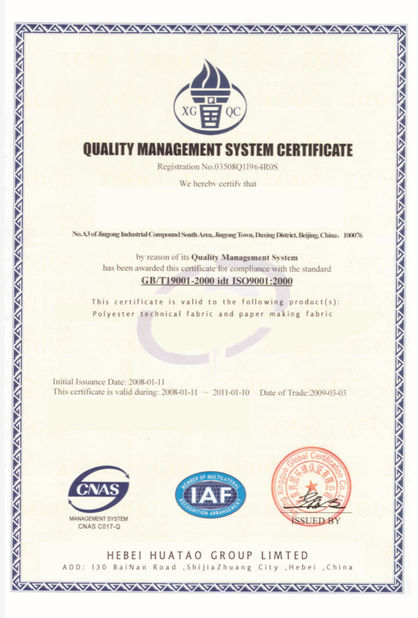
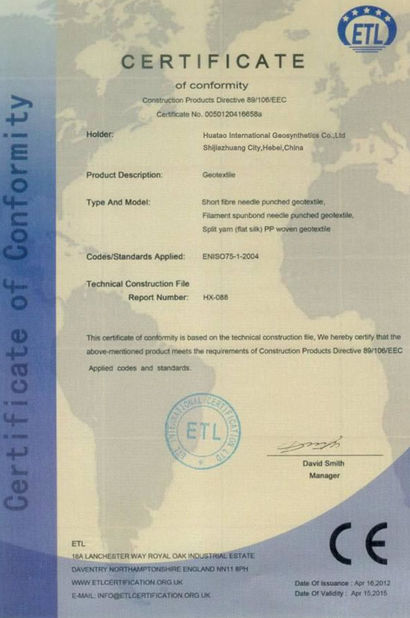
- Certificates — material, hardness, plating thickness, grinding, balance — are cheaper to demand upfront than to litigate later.
- Lead time risk hides in casting and coating; ask for milestone dates, not a single promised week.
- For older machines, OEM-drawing reproduction and reverse engineering availability should be a supplier qualification question.
- Regrind and refurbishment capability matters over the roll's 10–20 year life, not just the first delivery.
Specification Parameters to Fix in the RFQ
Write these into your request for quotation — vague RFQs produce vague quotes:
|
Parameter
|
Example Entry
|
Why It Matters
|
|
Roll face width / diameter
|
e.g., 3,400 mm / Ø 600 mm, h7
|
Stack fit and deflection calculation
|
|
Shell material
|
Chilled cast iron / centrifugally cast steel
|
Load capacity and damping
|
|
Surface cover
|
Hard chrome 0.10 mm, Ra ≤ 0.2 µm
|
Finish quality and regrind interval
|
|
Crown profile
|
Per calculation sheet attached
|
CD thickness uniformity
|
|
Runout
|
≤ 0.02 mm TIR at face
|
Repeating mark prevention
|
|
Dynamic balance
|
G2.5 at working speed (G1 high speed)
|
Vibration at line speed
|
|
Face hardness
|
65–68 HRC chrome, variation ≤ ±2 HRC
|
Even wear
|
|
Thermal type
|
Ambient / steam / induction, 120–200 °C
|
Smoothness strategy
|
|
Temperature uniformity
|
±1–2 °C across face (heated)
|
Thermal crown accuracy
|
|
Journal / bearing details
|
Per existing drawing
|
Installation compatibility
|
Material and surface options to request quotes on side by side: hard chrome (best finish, moderate cost), ceramic coating (longest life — see the CERAMIC COATING ROLL option), and induction heating where the mill wants to drop steam. HUATAO's INDUCTION HEAT CALENDER ROLL and INDUCTION CALENDER ROLL lines cover the heated alternatives, and the underlying heating physics is published in the ELECTROMAGNETIC INDUCTION HEATING ROLLS: PRINCIPLE AND PERFORMANCE technical article — worth reading before comparing heated quotes.
Material Options Comparison
|
Option
|
Hardness
|
Best For
|
Cost Profile
|
|
Hard chrome plating
|
HV 850–1000
|
Smoothness-critical grades
|
Low initial, replate cycles
|
|
Ceramic coating
|
HV 1000–1300
|
Abrasive/corrosive service
|
Higher initial, long intervals
|
|
Chilled iron skin
|
55–62 HRC
|
Classic supercalenders
|
Moderate
|
|
Polymer cover
|
75–95 Shore A
|
Soft nips, embossing
|
Low initial, frequent regrind
|
MOQ, Lead Time, and Delivery Structure
Calender rolls are engineered one-offs; there is no meaningful MOQ — the quantity discussion is about spares strategy instead. Realistic lead time structure for a custom roll:
- Casting or forging: 2–4 weeks
- Machining and heat treatment: 2–3 weeks
- Surface treatment (plating/coating): 1–2 weeks
- Grinding, crown, balancing: 1–2 weeks
- Final inspection and packing: 1 week
- Shipping: 3–5 weeks sea freight to most destinations
Total 8–16 weeks. Ask suppliers to commit milestone dates for casting completion and surface treatment start — those two stages cause most delays. For heated rolls with integrated induction components, add 2–4 weeks and require an FAT (factory acceptance test) including a temperature uniformity scan before shipment. HUATAO ships worldwide with full documentation and supports supervised inspection at its works before dispatch; standard rolls for common machine families are listed under PAPER INDUSTRY and FOURDRINIER PAPER MACHINE ROLLS.
Certifications and Acceptance Standards
Accept the roll against a written standard, not a marketing sheet. The minimum certificate package:
- Material certificate (grade, chemistry, heat treatment record)
- Hardness map across the face (variation ≤ ±2 HRC)
- Plating or coating thickness report
- Grinding chart with roughness at several face positions
- Dynamic balance certificate stating grade and balancing speed
- Runout measurement record
- For heated rolls: temperature uniformity scan report
Standards commonly referenced: ISO 1940 / ISO 21940 for balance grades, ISO 2768 for general machining tolerances, customer-specific acceptance drawings. Third-party witnessing (SGS, BV, or mill inspector) can be arranged at the manufacturer's works — put it in the contract, not in an email afterward.
Supplier Evaluation Checklist
Before awarding the order, score each bidder:
- Manufacturing depth: Do they cast/forge, machine, grind, and balance in-house, or subcontract critical steps?
- Documentation habit: Do certificates arrive with quotes and deliveries without being chased?
- Heated roll competence: Can they show a real temperature uniformity scan, not a brochure claim?
- Reverse engineering: Can they reproduce a roll from the worn original or an OEM drawing?
- Lifecycle service: Do they offer regrind, replating, and refurbishment with defined turnaround?
- Export experience: Export packing, seaworthy crating, and documentation for customs.
- Response quality: Did the quote answer every RFQ line, or answer around them?
Case Example: Procurement Done Right
A writing-paper mill issued an RFQ for one calender bottom roll with the specification table above attached verbatim. Two of four bidders returned quotes that answered every tolerance line; both were asked for witness inspection. The awarded supplier delivered in 11 weeks with all seven certificates in the shipment. Installation runout measured 0.014 mm TIR — inside acceptance — and CD thickness variation dropped 40% versus the worn roll it replaced. Total negotiation time: two weeks. Total downtime: one planned maintenance window. The difference was not supplier price but specification discipline.
FAQ
1. What information must an RFQ contain? Face width, diameter, shell material preference, surface requirement, nip load, speed, thermal type, journal details, tolerance requirements, and required certificates. Anything missing will be assumed by the supplier — usually in their favor.
2. Is there a minimum order quantity? No; rolls are custom-engineered units. Order quantity is a spares-strategy question — some mills hold a regrind spare for critical calenders.
3. What lead time should I plan for? 8–16 weeks for a standard custom roll, plus shipping. Heated rolls with induction technology run 2–4 weeks longer. Confirm milestone dates, not a single promised week.
4. Which certificates are non-negotiable? Material, hardness map, plating thickness, grinding/roughness, and balance. For heated rolls, add the temperature uniformity scan. Any missing certificate is a quality claim waiting to happen.
5. Can old rolls be repaired instead of replaced? If the shell is sound, regrinding and replating restore geometry at a fraction of new cost. If runout, balance, or crown cannot be recovered — or loads have increased — replacement is the economical route.
6. Can a supplier match my OEM roll without drawings? Qualified suppliers reverse-engineer from the worn roll: journals, bearings, and stack geometry are measured and reproduced. HUATAO supports both OEM-drawing manufacture and reverse engineering.
7. Should inspection be witnessed? For first orders and heated rolls, yes. Witness the runout, balance, and (for heated rolls) temperature scan at the works before shipment.
8. What payment and shipping terms are typical? Commonly 30% advance with balance against pre-shipment inspection, shipped seaworthy-crated FOB/CIF. Terms are negotiable; the acceptance standard should never be.
Conclusion
Calender roll procurement rewards buyers who write specifications, demand certificates, and hold milestone dates. Everything else — smoothness, gloss stability, regrind intervals — follows from that discipline. HUATAO supports paper, film, nonwoven, and composite mills with new calender and heated rolls, refurbishment, and full export documentation.
Related Articles
Related Products
- INDUCTION HEAT CALENDER ROLL
- INDUCTION CALENDER ROLL
- CERAMIC COATING ROLL
- EMBOSSING CALENDER ROLL
- CHROME DRAFTING ROLL
Related Buyer Guides
- HUATAO INDUSTRIAL ROLLS — RFQ GUIDE
- PAPER INDUSTRY ROLL SOLUTIONS
- FOURDRINIER PAPER MACHINE ROLLS
#CalenderRoll #PaperMachineRoll #RollProcurement #PaperMill #B2BManufacturing #RollSupplier
Contact Us: Jenny Liu
Email: sale05@huataogroup.com
Mobile / WhatsApp / WeChat: +86 17743789775
Website:
We warmly welcome customers from around the world to contact us and establish mutually beneficial partnerships.


 ¡Su mensaje debe tener entre 20 y 3.000 caracteres!